

Blog
Guide to Life Experience Degree, College Credit, and Replica Diplomas


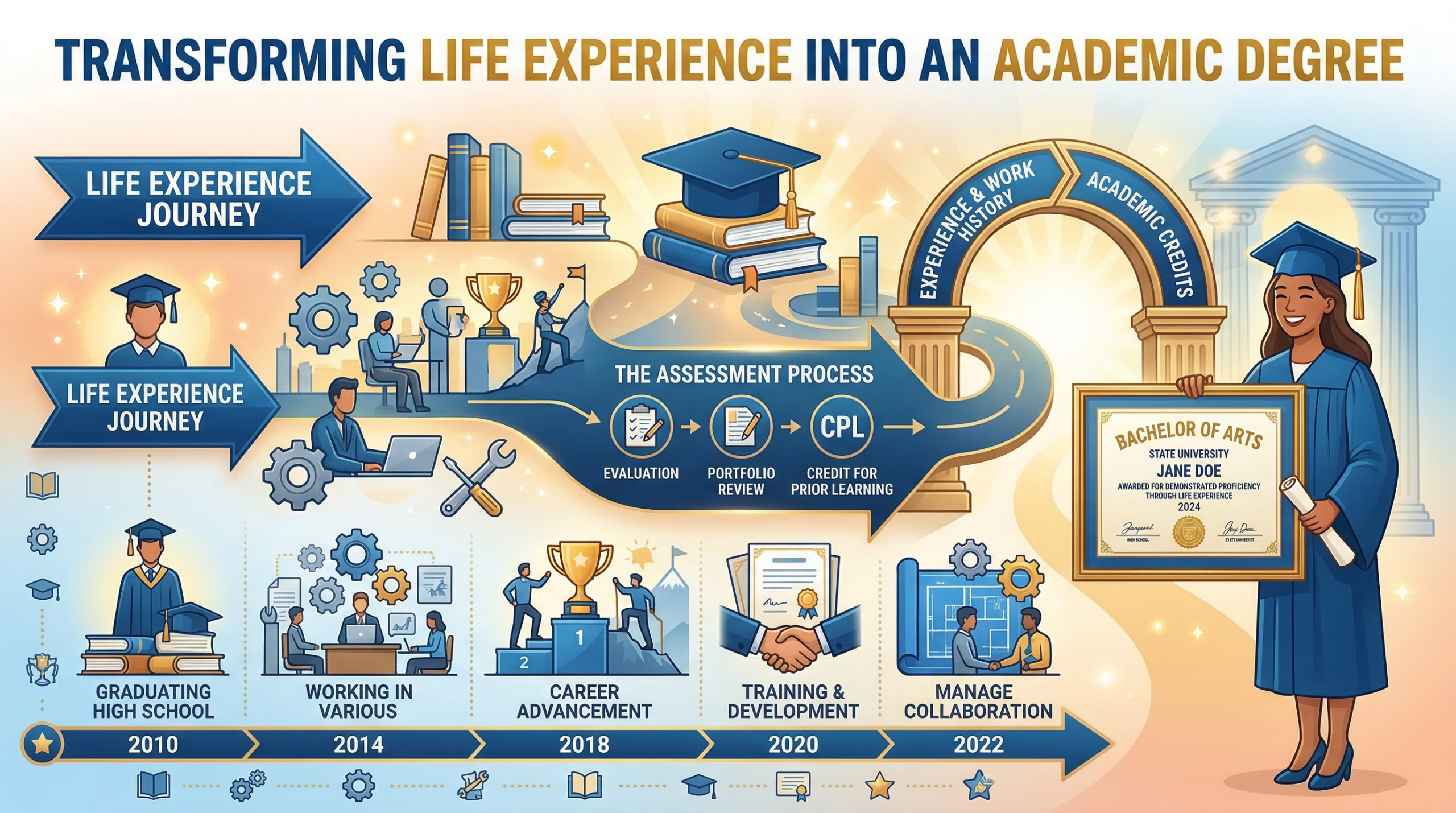
Overview: Life Experience, College Degree, and Experiential Learning
A life experience degree is a credential awarded based on an individual’s prior learning, work history, and real-world accomplishments rather than traditional classroom study. These degrees are recognized in higher education, including by international colleges, which often value practical experience alongside formal academic achievements.
Understanding the importance of human experience is central to life experience degrees, as they recognize the unique value of each human’s background and the impact that human-centered knowledge can have on personal growth, decision-making, and advocacy.
Experiential learning refers to the process of gaining knowledge and skills through direct experience, such as employment, volunteer work, or specialized training. Many interested adults are exploring these options to accelerate their academic progress and earn degrees more efficiently.
College degree requirements can vary significantly by institution. Previous education and professional experience can play a role in meeting degree requirements, allowing some students to receive credit for what they have already learned. Working adults often face challenges such as adapting to industry changes, gaining recognition for real-world experience, and navigating complex enrollment or verification processes when seeking to earn a degree through non-traditional pathways.

Benefits of Accredited Life Experience Degree
Earning an accredited life experience degree offers a range of significant benefits for working adults and professionals looking to advance their education and careers. One of the most compelling advantages is the ability to receive college credit for prior learning, allowing individuals to leverage the knowledge and skills they have gained through years of work, training, and real-world experience. This recognition of life experience can dramatically reduce the time and cost required to complete a degree program, making higher education more accessible and efficient.
Accredited life experience degree programs are designed to validate the expertise and achievements of professionals, enabling them to earn a degree that is recognized by employers and academic institutions worldwide. By translating practical experience into academic credit, these programs empower individuals to formalize their qualifications and enhance their professional profiles. This can lead to increased career opportunities, higher earning potential, and greater job security in a competitive job market.
Additionally, earning an accredited degree based on life experience provides a sense of personal accomplishment and fulfillment. It demonstrates to employers and peers that you possess not only the necessary skills and knowledge, but also the commitment to continuous learning and professional growth. For many, this pathway is a practical and rewarding way to complete a degree, achieve career goals, and gain recognition for the expertise they have developed throughout their lives.
Whether you are looking to advance in your current field, transition to a new career, or simply achieve a long-held educational goal, an accredited life experience degree can be a powerful tool for success. By choosing a recognized program that values your prior learning and experience, you can complete your degree on your terms and open new doors for your future.
What Is an Accredited Life Experience Degree?
An accredited life experience degree is a credential awarded by an institution that recognizes and evaluates your prior learning, work history, and real-world experience as equivalent to traditional academic coursework. These degrees are only valuable if they come from properly accredited institutions, as employers value degrees that are recognized and accredited by legitimate agencies. Accredited life experience degrees are recognized by employers and can enhance career opportunities, making them a practical option for those with significant professional backgrounds.
When verifying accreditation, look for agencies such as the Distance Education Accrediting Commission (DEAC), Council for Higher Education Accreditation (CHEA), or regional accrediting bodies. As part of the application process, you will typically need to submit supporting documentation—such as certificates, letters, or personal statements—and a verifiable resume that details your professional experience and previous learning. This documentation is assessed by experts to determine your eligibility for credit.
Compared to a traditional college degree, an accredited life experience degree can offer a faster and more flexible path to formal recognition of your skills and knowledge, especially for adults with extensive work or life experience. However, the credibility and acceptance of your degree will depend on the quality of the institution and the thoroughness of your submitted documentation.
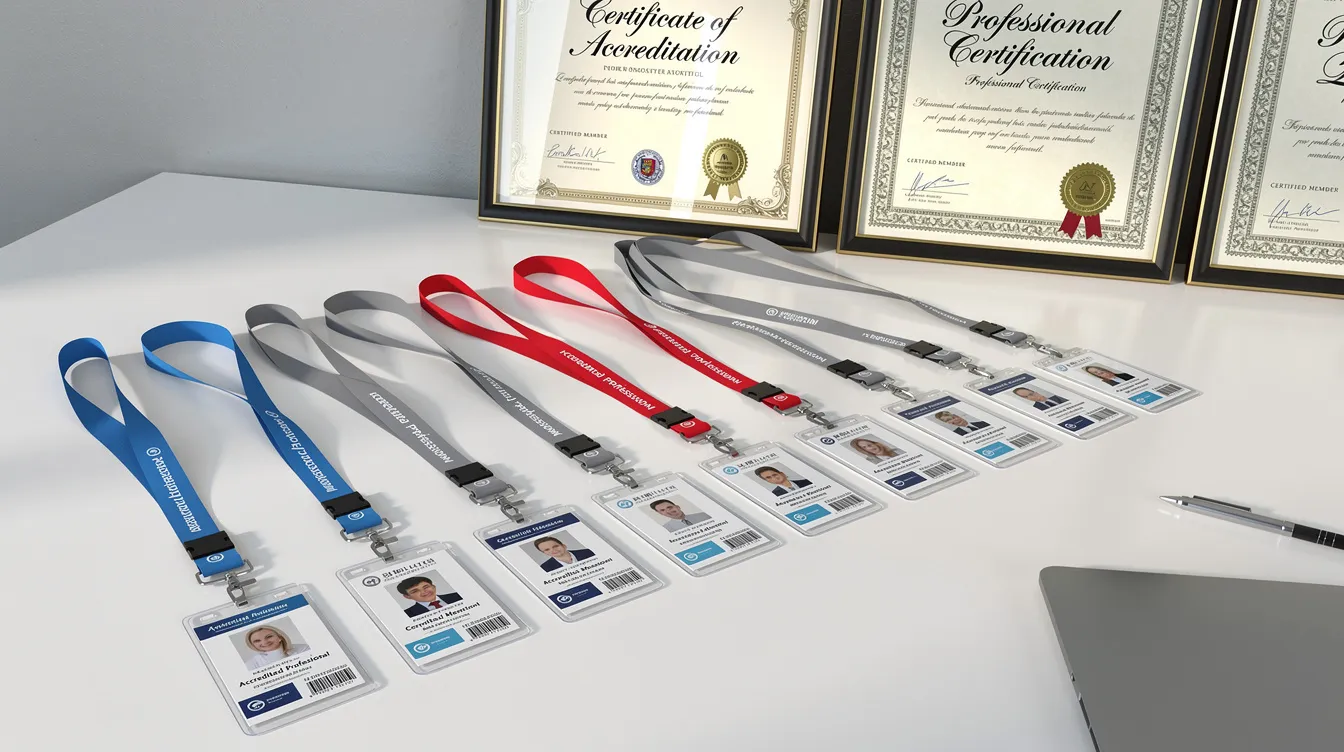
How Life Experience Converts to College Credit
One common way to earn college credit for life experience is through portfolio-based assessment. In this method, applicants compile a portfolio that documents their relevant work history, skills, and learning outside the classroom. As part of the process, applicants must submit documentation such as certificates, letters from employers, and a verifiable resume to demonstrate their qualifications and experience. The evaluation process typically includes a thorough review of these submitted documents by academic experts to determine eligibility for credit. Many programs require several years of professional experience and supporting documents as part of the application process. For example, an individual who has managed a team for several years might submit a portfolio including management certificates, employer letters, and a verifiable resume, which could be assessed for credits toward a business degree.
Credit-by-exam options, such as CLEP or DSST, allow individuals to earn credits for specific courses by passing standardized exams. These exams are designed to assess prior learning and competency in particular subject areas, enabling students to bypass traditional course attendance and semester-based learning for those courses.
Life experience programs often take less time to complete because they bypass foundational courses in subjects where students already have expertise.
Additionally, military and workplace training can sometimes be evaluated for college credit. Many institutions recognize formal training programs completed during military service or at work, provided applicants can supply the necessary documentation to verify their experience and learning outcomes.

Life Experience Degree Program Models and Degree Programs
Life experience degree programs come in several variations, catering to different needs and backgrounds. Traditional campus-based learning typically requires students to attend classes in person, participate in campus activities, and follow a set academic schedule. In contrast, many modern life experience degree programs use flexible, assessment-driven models that do not require a physical campus, allowing students to learn at their own pace and demonstrate their knowledge through competency-based evaluations.
International colleges also offer life experience degree programs, serving students worldwide and providing globally recognized credentials. These institutions appeal to a diverse audience seeking flexible, accredited education options beyond their home country.
As part of the application process, applicants are usually required to submit detailed professional details, such as work history and relevant achievements, for evaluation. This step is crucial for verifying an individual’s professional experience and supporting the degree eligibility and evaluation process.
These programs are designed to provide a streamlined pathway for individuals to earn academic credit based on their professional experiences, making higher education more accessible for working adults and non-traditional students.

Competency-Based Degrees vs Experience Degree Programs
Competency-based degrees are designed for adult learners who want to leverage their past work or life experience to accelerate their path to graduation. In these programs, students can save money and finish their degree faster by earning credits for what they already know, rather than spending time in traditional coursework. Competency-based education awards credits based on demonstrated knowledge, leaving time entirely out of the equation. Western Governors University (WGU) is a leader in competency-based learning, allowing students to progress as soon as they demonstrate mastery of a subject. Competency-based degrees require rigorous and rewarding coursework just like any worthwhile degree, and students prove their mastery of course material through graded assessments instead of seat time. Other institutions known for innovative credit options include Thomas Edison State University (TESU), which offers credit-by-exam and portfolio assessment, Excelsior University, which specializes in translating military and corporate training into college credit, and the UW Flexible Option, which provides accredited, self-paced programs for working adults through the University of Wisconsin System. The ultimate guideline when choosing between competency-based degrees and life-experience degrees is to select an institution you can trust.
Life experience degree programs claim that students can earn credit for jobs or prior learning without additional coursework. These programs often promise to accelerate your time to degree completion and reduce the time and money spent in traditional classes by bypassing foundational courses in subjects where you already have expertise. However, experts advise caution when considering life-experience degrees for a full degree, as there are potential legitimacy issues and many such programs are not recognized by employers or accredited bodies.
In summary, competency-based degrees use rigorous assessments to validate your past experience and knowledge, awarding credit based on what you can prove you know. Life experience degrees, on the other hand, often offer credit for past experience with little or no assessment, which can be risky if you need a degree that is widely accepted. Always research your options and choose a reputable institution to ensure your investment of time and money pays off.

Popular Majors: Business Administration and Other Degree Programs
Business administration is one of the most common majors pursued through life experience degree programs, as it aligns well with the skills and knowledge gained through professional work in management, leadership, and organizational roles. Other frequently chosen majors include nursing, information technology, and education, which often have clear pathways for prior learning credit based on professional certifications and work experience.
These majors attract many working adults who seek to formalize their expertise and accelerate their academic progress by leveraging their existing qualifications and practical experience.
How To Earn Life Experience Degree: Steps To Earn Credit
Earning a life experience degree typically involves several key steps. First, applicants gather verifiable work documents, certificates, and professional details that clearly demonstrate their qualifications and experience. Comprehensive documentation is essential to support the claim of prior learning and skills.
Next, applicants prepare a detailed portfolio that documents learning outcomes and relevant accomplishments. This portfolio serves as the primary evidence for evaluation.
Once the portfolio is complete, it is submitted to the institution for formal assessment. Applicants may also be required to provide additional supporting documents or respond to requests for clarification during the evaluation process.
Finally, applicants follow up on evaluation results and, if necessary, may appeal decisions or provide further evidence to support their application.
Keep in mind, the documentation and evaluation process can be time-consuming and demanding, as institutions require thorough verification to ensure the legitimacy and accuracy of the claimed experience.
Evaluation Process for an Experience Degree Program
Institutions that offer life experience degree programs often use detailed rubrics and competency maps to evaluate applicants. These tools help assessors systematically measure the knowledge and skills gained outside traditional classrooms. As part of the evaluation process, applicants are typically required to submit documentation such as certificates, personal statements, and letters from employers that verify their experience and qualifications. This documentation is carefully reviewed by qualified assessors, who are usually experienced educators or subject matter experts.
Assessors play a crucial role in ensuring that the evaluation is fair and consistent. They must meet specific qualification requirements, often holding advanced degrees and relevant professional experience. The typical turnaround time for evaluating a life experience degree application ranges from a few days to several weeks, depending on the complexity of the documentation and the institution’s processes.
Transparency in the degree verification process is essential to maintain the legitimacy and credibility of life experience degrees. Clear communication about how documentation is reviewed and how decisions are made helps build trust with both applicants and potential employers.
Accreditation, Verification, and Risks of an Experience Degree
When considering earning a life experience degree, it is crucial to verify the accreditation status of the institution offering the degree. Recognized accrediting agencies to check include the Distance Education Accrediting Commission (DEAC), the Council for Higher Education Accreditation (CHEA), and regional accrediting bodies. These agencies ensure that the institution meets established standards of academic quality and credibility.
Applicants should also verify institutional contact channels and credentials to confirm legitimacy. This includes checking for official email addresses, phone numbers, and physical addresses associated with the university, as well as confirming that the institution’s website uses a credible domain, preferably ending in “.edu”.
Beware of diploma mills and fake accreditation schemes that offer life experience degrees without proper academic rigor or recognition. These entities may provide degrees that appear legitimate but lack accreditation, potentially leading to degrees that employers do not recognize. Diploma mills can also result in legal consequences, including fines or being labeled as holding a fake degree. Conduct thorough research and consult official accreditation databases before enrolling in any program to avoid these risks.
Experience Degree Legitimacy: Competency Based Degrees and College Credit
When considering a life experience degree, it’s important to research competency-based degrees for legitimacy. Employers typically accept recognized, accredited degrees when evaluating candidates for higher-ranking roles, as these credentials meet standard job requirements.
Additionally, life experience degree programs validate practical knowledge and skills acquired outside the classroom, providing formal recognition for your real-world expertise.
We also recommend contacting potential employers directly to ask if they accept prior learning credit or alternative education pathways, as acceptance policies can vary by organization and industry.
Life Experience and Career Advancement
Earning an accredited life experience degree can be a game-changer for working adults seeking to advance their careers. By transforming prior learning and real-world experience into recognized college credit, individuals can obtain a college degree that truly reflects their expertise and the knowledge gained throughout their professional journey. This approach to education allows students to leverage experiential learning—skills and insights acquired on the job or through other life experiences—toward completing degree requirements in less time and often at a lower cost.
Fields such as business administration and operations management are especially popular among those pursuing an experience degree, as these areas value practical skills and leadership abilities developed in the workplace. Accredited universities offering life experience degree programs make it possible for professionals to earn credit for their achievements, helping them complete their degrees while balancing work and personal commitments. The result is a more competitive resume, increased job opportunities, and the potential for higher salaries and career growth.
For many professionals, obtaining an accredited life experience degree is not just about earning a credential—it’s about validating their expertise and demonstrating a commitment to lifelong learning. This recognition can open doors to new jobs, promotions, and greater success in their chosen fields, making it a smart investment in their future.
Replica Diplomas, Novelty Certificates, and PhonyDiploma.com
Replica diplomas and novelty certificates offered by PhonyDiploma.com are designed strictly for decorative and entertainment purposes. These items make unique gifts, fun keepsakes, or conversation pieces for reunions and personal collections. While crafted to closely resemble authentic documents, including raised seals and printed security features, these replicas are not valid academic credentials and hold no official value.
PhonyDiploma.com uses high-quality materials and printing techniques to create visually impressive diplomas and certificates. Features such as embossed seals, watermarks, and premium paper stock enhance their realistic appearance. However, it is important to understand that these products come with a clear legal disclaimer stating that they are for novelty use only and cannot be used to misrepresent one’s qualifications or credentials.
Customers are strongly advised never to use replica diplomas to falsify academic achievements or for any form of deception. PhonyDiploma.com emphasizes responsible use, ensuring that all purchasers are aware of the legal and ethical boundaries surrounding these products.
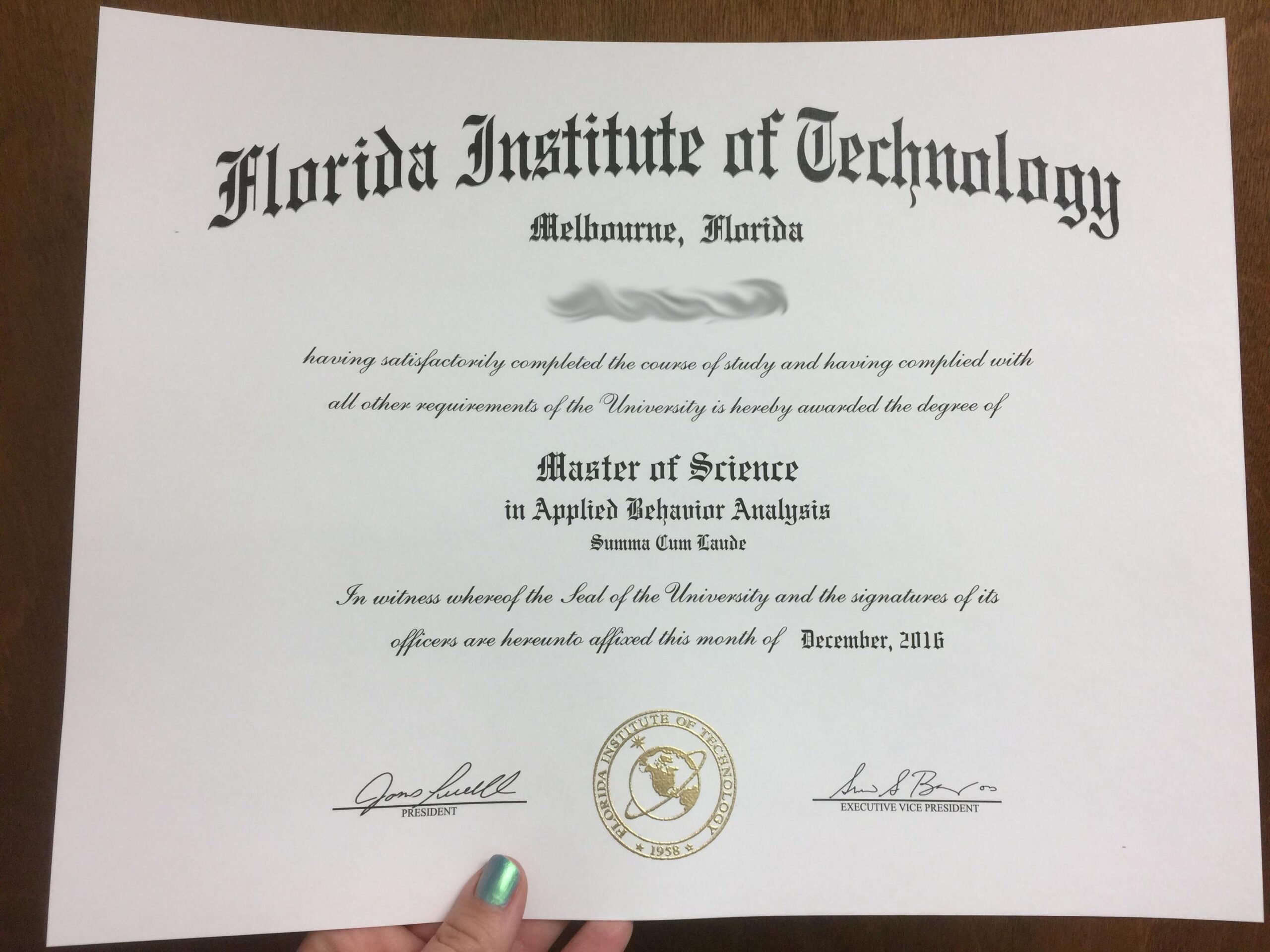
Packaging, Verification Services, and Extras for Replica Documents
PhonyDiploma.com offers an array of packaging and presentation options to complement their replica diplomas and certificates, including gold foil state seals and emblems. Decorative sealing options and embossed leather covers provide an elegant finish, making these items ideal for display or gifting. Transcript-style replicas are also available, designed to mimic official academic transcripts for decorative purposes only, along with other documents and accessories that complete the presentation.
For customers seeking to showcase their novelty diplomas, framing services and leather cover upgrades are offered to enhance the overall presentation. These extras add a touch of sophistication and durability, ensuring that the replica documents remain attractive and well-preserved over time.
While PhonyDiploma.com does not provide official verification services—since the documents are not legitimate credentials—they do offer detailed product descriptions and clear disclaimers to maintain transparency and trust with their customers.
Student Support and Resources
Students enrolled in a life experience degree program at an accredited university benefit from a wide range of support services designed to help them succeed. From the very beginning, universities provide prior learning assessment tools that guide students in documenting their experience and translating it into academic credit. Academic advisors are available to help students navigate degree program requirements, select appropriate courses, and create a personalized path to graduation. Universities often provide human advisors who can answer student questions directly, offering personalized assistance rather than automated support.
Career counseling services further enhance the value of an experience degree by helping students align their educational achievements with their professional goals. Access to online libraries, research databases, and other educational resources ensures that students have the tools they need to deepen their learning and complete their studies effectively.
Financial support is also a key consideration. Many accredited universities offer flexible payment plans, financial aid, and scholarships to make earning a degree more accessible. Flexibility for working professionals is a characteristic of many PLA-based programs, allowing learners to balance work and family obligations. To ensure the credibility and recognition of their degree, students are encouraged to research the accrediting commission and verify the university’s accreditation status before enrolling. Choosing an accredited institution guarantees that the degree will be respected by employers and recognized by other educational institutions worldwide.
Even after graduation, many universities continue to support their alumni with career resources, networking opportunities, and ongoing educational offerings. This commitment to student success helps graduates achieve their career ambitions and maintain a strong connection to their academic community, reinforcing the long-term value of an accredited life experience degree program.
Frequently Asked Questions About Life Experience and Replica Degrees
How to Distinguish Accredited Life Experience Degree Programs from Replica or Fake Degrees?
To determine if a life experience degree program is accredited and legitimate, verify that the institution is recognized by a reputable accrediting agency such as the Distance Education Accrediting Commission (DEAC), the Council for Higher Education Accreditation (CHEA), or regional accrediting bodies. Accredited institutions typically have official websites ending with “.edu” and provide transparent information about their evaluation and degree verification processes. Beware of programs that promise degrees with little or no assessment or coursework, especially those that use domains like “.com” or “.net,” as these may be diploma mills offering replica or fake degrees.
How to Verify Earned College Credit Legitimately?
Legitimate earned college credit is typically documented through official transcripts issued by accredited universities. When applying for life experience credit, students submit detailed portfolios, verifiable resumes, and supporting documentation that are reviewed by qualified assessors. Always request official verification services directly from the institution, such as sealed transcripts or electronic confirmations. Avoid accepting degrees or credits without proper documentation, and consult the accrediting agency databases to confirm institutional legitimacy.
Looking for high-quality replica diplomas, novelty certificates, or custom printed documents for gifts, entertainment, or display?
PhonyDiploma.com offers beautifully crafted, realistic-looking diplomas and certificates featuring raised seals, watermarks, and premium paper stock. Whether you want a college diploma replica, a high school diploma replica, or a unique gift for a reunion or celebration, we provide secure, decorative documents designed strictly for novelty use, supported by USA-focused fake diploma samples that demonstrate our design capabilities.
Order your custom diploma package today from PhonyDiploma.com and enjoy fast turnaround, elegant packaging options, and exceptional quality, whether you need a replica diploma or fake certificates designed to look real for novelty display. Remember, our products are for entertainment and decorative purposes only and come with a clear legal disclaimer. Celebrate in style with PhonyDiploma.com — your trusted source for premium novelty documents!
Conclusion and Next Steps
In summary, pursuing an accredited life experience degree program is a smart and flexible option for working adults and professionals who want to turn their prior learning and real-world experience into a recognized academic credential. These programs are specifically designed to help individuals balance their education with work and personal commitments, offering a streamlined path to degree completion that values the knowledge and skills gained throughout life.
To begin your journey, start by researching accredited life experience degree programs offered by reputable universities. Carefully review the degree requirements, evaluation process, and documentation needed to support your application. It’s essential to verify the accreditation and credibility of the institution to ensure your degree will be recognized by employers and other academic institutions. Avoid diploma mills by checking for proper accreditation and transparent evaluation processes.
Once you have selected an accredited university and program, gather your professional details, prepare your documentation, and submit your application for assessment. By following these steps, you can confidently pursue a degree that reflects your expertise and achievements.
With the right accredited life experience degree program, you can achieve your academic and career goals, enhance your professional standing, and create new opportunities for your future. Take the next step today—evaluate your options, prepare your documentation, and invest in a degree that recognizes your life experience and sets you on the path to lasting success.