

Blog
Culinary Arts Diploma: Overview and Guide

Culinary Arts Diploma: Can You Get a Replacement?
A culinary arts diploma is a valuable credential for aspiring chefs and culinary professionals seeking to advance their careers and develop essential skills in the kitchen. This article provides a comprehensive overview of culinary arts diploma programs, their benefits, and how they can help you achieve your career goals in the dynamic and competitive culinary industry. Whether you are just starting out or looking to enhance your expertise, understanding the scope and opportunities of a culinary arts diploma is crucial for career advancement and skill development.
What Is a Culinary Arts Diploma?
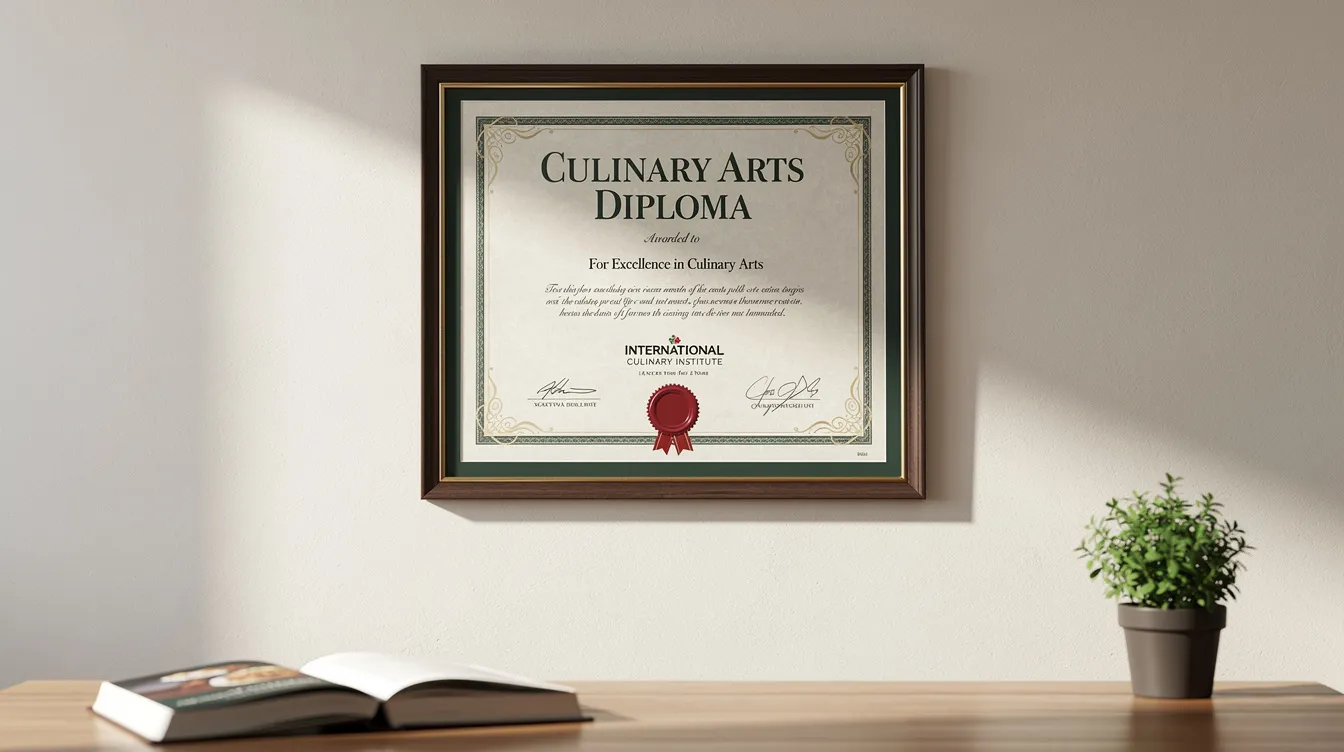
Definition: Culinary arts diploma programs typically focus on foundational cooking skills and knowledge about the practice and art of cooking. These programs blend hands-on training with theoretical coursework to prepare students for the culinary industry.
Introduction to Culinary Arts
The world of culinary arts is vibrant, creative, and ever-evolving, offering a wealth of career opportunities for aspiring chefs and food service professionals. Enrolling in a culinary arts diploma program or a comprehensive culinary arts program is the first step for many students who want to master culinary techniques and gain a deep understanding of culinary nutrition and food service operations. These programs are designed to prepare students for a variety of roles in restaurants, hotels, catering operations, and other food service establishments.
Whether your goal is to become a professional chef, executive chef, or simply to refine your cooking techniques, a culinary arts program provides students with the essential skills, knowledge, and hands-on experience needed to thrive in the culinary field. With a focus on both the art and science of food, these programs help students achieve their career goals and open doors to exciting opportunities in the culinary industry.
Foundational Topics and Skills in a Culinary Arts Diploma Program
A typical culinary arts diploma program covers a broad range of foundational topics and skills, including:
Technical cooking skills such as knife techniques, cooking methods, and sauce making
Kitchen management, including food costing, inventory management, and labor scheduling
Professional soft skills, such as teamwork, communication, and leadership
Sanitation, safety, and nutrition principles
Menu development and the science behind food preparation (e.g., the Maillard reaction)
Baking and pastry fundamentals, including bread and dough techniques
These programs often include a mix of practical training and theoretical knowledge, ensuring students are well-prepared for real-world culinary environments.
Transition: With a solid understanding of what a culinary arts diploma entails, let’s explore the various educational pathways available to culinary professionals.
Continuing Education Options for Chefs
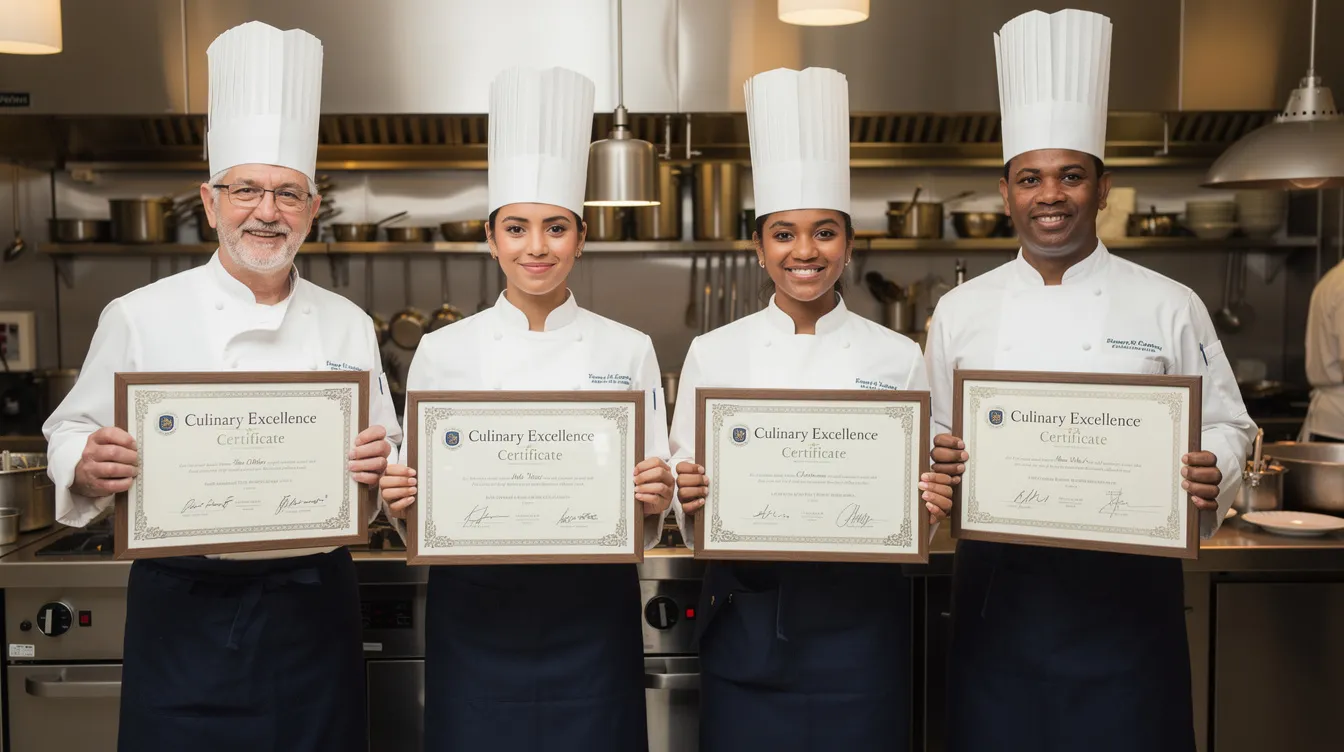
The culinary field is among the most competitive career fields, offering rewarding income potential and challenging tasks that require mastery of exotic styles and techniques of cooking. To stay in line with this quickly changing and high-demand industry, many culinary professionals continue their education in various ways to enhance not only their creative skills but also their working experience and knowledge required to adapt to a dynamic environment.
The best colleges and culinary institutes offer culinary arts diploma programs and culinary degrees, recognized for their comprehensive culinary arts curriculum and high standards.
If you are a chef with an associate degree or certification in cooking and are thinking of advancing your career to the next level, a bachelor or graduate degree will definitely give you an advantageous edge to seize the greatest opportunities that arise along your career path. However, you may not want to quit your current job just to go back to culinary school to pursue a degree in culinary arts. Online culinary arts degree programs enable you to achieve both goals—allowing you to continue your current job as a chef while studying online to complete a culinary arts degree program.
Chefs have various continuing education options. Besides culinary arts degrees, you can also choose programs such as hospitality management, food science, or cooking-related continuing education programs that may include:
Food Styling & Media
Dietetics
Food Research
Food Sales & Marketing
While traditional culinary arts or cooking schools offer degree programs that fit your needs, scheduling can be challenging if you want to continue working as a chef while attending classes. Many colleges and universities understand the concerns of working adults and have designed continuing education programs geared toward working individuals by making culinary arts degree programs available online.
Online culinary arts degree programs offer great flexibility, enabling students to log on to classes from anywhere and at any time. Busy chefs or those without fixed schedules can plan their studies at their own pace. Many online culinary schools provide video teaching materials that allow students to effectively learn the arts of cooking and food presentation through video streaming and pre-recorded lessons. These programs utilize a blend of video tutorials and interactive assessments to teach culinary skills, including knife skills and food safety.
These diploma programs and courses are designed for both aspiring chefs and industry professionals and often include specialized coursework in areas such as garde manger, baking and pastry, and food service management. Many programs integrate business principles and kitchen management, preparing students for roles in the hospitality industry.
Both online and traditional culinary arts diploma programs typically last from a few months to two years, with durations ranging from 22 weeks to 12 months depending on the institution. Students are required to complete a certain number of hours in practical training or externships, often conducted in small groups for personalized instruction. Externship programs provide students with industry experience in various culinary businesses. Practical training covers foundational cooking techniques, including knife skills, cooking methods, sauce making, and baking and pastry fundamentals. Culinary arts diploma programs may offer optional internship components for real-world experience, and students are often taught by experienced chefs and industry professionals.
No previous experience is required for admission to many programs, and applicants typically need to show proof of a high school diploma or equivalent. Financial aid and assistance are available to students who apply and qualify, and tuition costs vary by institution. International students are welcome in many programs, with opportunities to study in major food cities and access resources for credit transfer. Many programs emphasize continuous improvement of their curriculum based on industry feedback and standards. Networking and industry connections are important for career advancement, and students are encouraged to discuss their career goals with admissions representatives.
Employment for cooks is projected to grow 5% from 2024 to 2034, twice as fast as the average for all occupations. Graduates of culinary arts programs can qualify for entry-level positions such as line cooks, prep cooks, and assistant bakers, and may advance to roles like sous chef, executive chef, chef de partie, chef instructor, private chef, or food service manager with experience.
Successful completion of a culinary arts diploma program provides professional credibility, structured training, and networking opportunities. Culinary arts curricula generally include technical skills, kitchen management, professional soft skills, sanitation, safety, nutrition, menu development, food costing, inventory management, and the science behind food preparation, including the Maillard reaction. Practicing knife skills is essential for increasing speed and accuracy in food preparation.
Traditional culinary programs provide hands-on experience in a physical kitchen environment, while online programs offer flexibility and interactive learning. ICE offers flexible class schedules, and GTCC provides an advising process for students interested in the culinary arts curriculum. The start date for courses is important for planning, and both online and traditional programs aim to equip students with foundational culinary techniques and business skills. The Culinary Arts Diploma program at École Ducasse requires a minimum age of 18 and does not require prior qualifications or experience for admission.
Transition: Next, we explore what a culinary arts degree means for aspiring professionals.
Summary
Continuing education options through online culinary arts degree programs enable chefs to enhance their creative skills, enrich their working experience, and deepen their knowledge required to adapt to a dynamic environment while staying focused on their existing career.
Transition: Next, we explore what a culinary arts degree means for aspiring professionals.
Culinary Arts Degree: What It Means
Earning a culinary arts degree is a significant achievement that signals a student’s mastery of essential culinary techniques, a solid foundation in culinary nutrition, and a thorough understanding of food service operations. Culinary arts degree programs, including those accredited by the American Culinary Federation, offer a well-rounded education that covers everything from advanced cooking techniques and baking and pastry arts to restaurant operations and catering management.
Graduates of these degree programs are equipped to assume positions as chefs, sous chefs, or executive chefs in a variety of settings, including restaurants, hotels, and catering operations. The culinary arts degree not only provides students with the technical skills and culinary knowledge required for success but also prepares them for leadership roles and entrepreneurial ventures within the culinary industry. For those who aspire to become professional chefs or food service professionals, completing a culinary arts degree program is a crucial step toward building a rewarding and dynamic career.
Transition: Now, let’s look at the appeal and flexibility of online and alternative credentials in culinary education.
The Appeal of Online and Alternative Credentials
The culinary industry has embraced the flexibility and accessibility of online culinary arts programs and alternative credentials, making culinary education more attainable than ever before. Online programs offered by leading culinary institutes allow students to learn at their own pace, balancing their studies with work and personal commitments. These programs often feature virtual kitchen labs, interactive cooking demonstrations, and opportunities to connect with fellow students and professional chef instructors from around the world.
In addition to traditional degrees, alternative credentials such as specialized certificates and diplomas in areas like baking and pastry or food service management provide students with targeted skills and knowledge for specific culinary careers. The integration of automated technology and online learning platforms ensures that students receive high-quality culinary training and practical application, regardless of their location. This modern approach to culinary education empowers students to pursue their passion for food and cooking while gaining the expertise needed to succeed in the global culinary industry.
Transition: To address common questions, the following FAQ section provides direct answers about culinary arts diplomas.
Frequently Asked Questions About Culinary Arts Diplomas
What is a culinary arts diploma?
A culinary arts diploma is a credential awarded upon completion of a program that typically focuses on foundational cooking skills and knowledge about the practice and art of cooking. These programs combine practical training with theoretical coursework to prepare students for the culinary industry.
What can I do with a culinary arts diploma?
Graduates of culinary arts diploma programs can qualify for entry-level positions such as:
Line cook
Prep cook
Assistant baker
With experience, graduates may advance to roles such as sous chef, executive chef, chef de partie, chef instructor, private chef, or food service manager. A culinary arts diploma or degree can open the door to exciting careers in food, including opportunities in restaurants, hotels, catering, food styling, and culinary instruction.
How do I enroll in a culinary arts diploma program?
To enroll in a culinary arts diploma program, follow these general steps:
Research Programs: Identify accredited culinary schools or institutes offering diploma programs that match your interests and career goals.
Check Admission Requirements: Most programs require proof of a high school diploma or equivalent. Some may have minimum age requirements (e.g., 18 years old), but prior culinary experience is often not required.
Submit an Application: Complete the application process, which may include submitting transcripts, a personal statement, and other required documents.
Discuss Career Goals: Many schools encourage applicants to speak with admissions representatives to ensure the program aligns with their aspirations.
Apply for Financial Aid: If needed, apply for financial aid or scholarships.
Plan for Start Dates: Review course start dates and plan your schedule accordingly.
Note: Program lengths vary, typically ranging from a few months to two years, and may include practical training or externships for real-world experience.

Replacement and Novelty Culinary Arts Diplomas
At PhonyDiploma.com, we understand the importance of showcasing your achievements and credentials in the culinary field. Our replacement and novelty culinary arts diplomas provide a professional and impressive way to celebrate your culinary education and career milestones. Whether for personal satisfaction, recognition, or display, our high-quality culinary arts diplomas can complement your professional image and serve as a proud testament to your dedication and passion for the culinary arts.
Article Source: http://www.articlesbase.com/online-education-articles/online-culinary-arts-degree-continuing-education-option-for-chefs-676742.html
For those interested in exploring replica documents further, PhonyDiploma.com offers customized fake diplomas and transcripts for novelty or display purposes, free sample previews of custom diplomas, extensive sample collections of fake diplomas from schools across the USA, other replica documents and accessories to complement your diploma display, and realistic fake Spanish diploma samples with worldwide shipping.