

Blog
Bachelor’s Degree Years: Typical Timelines, Variations, and Planning

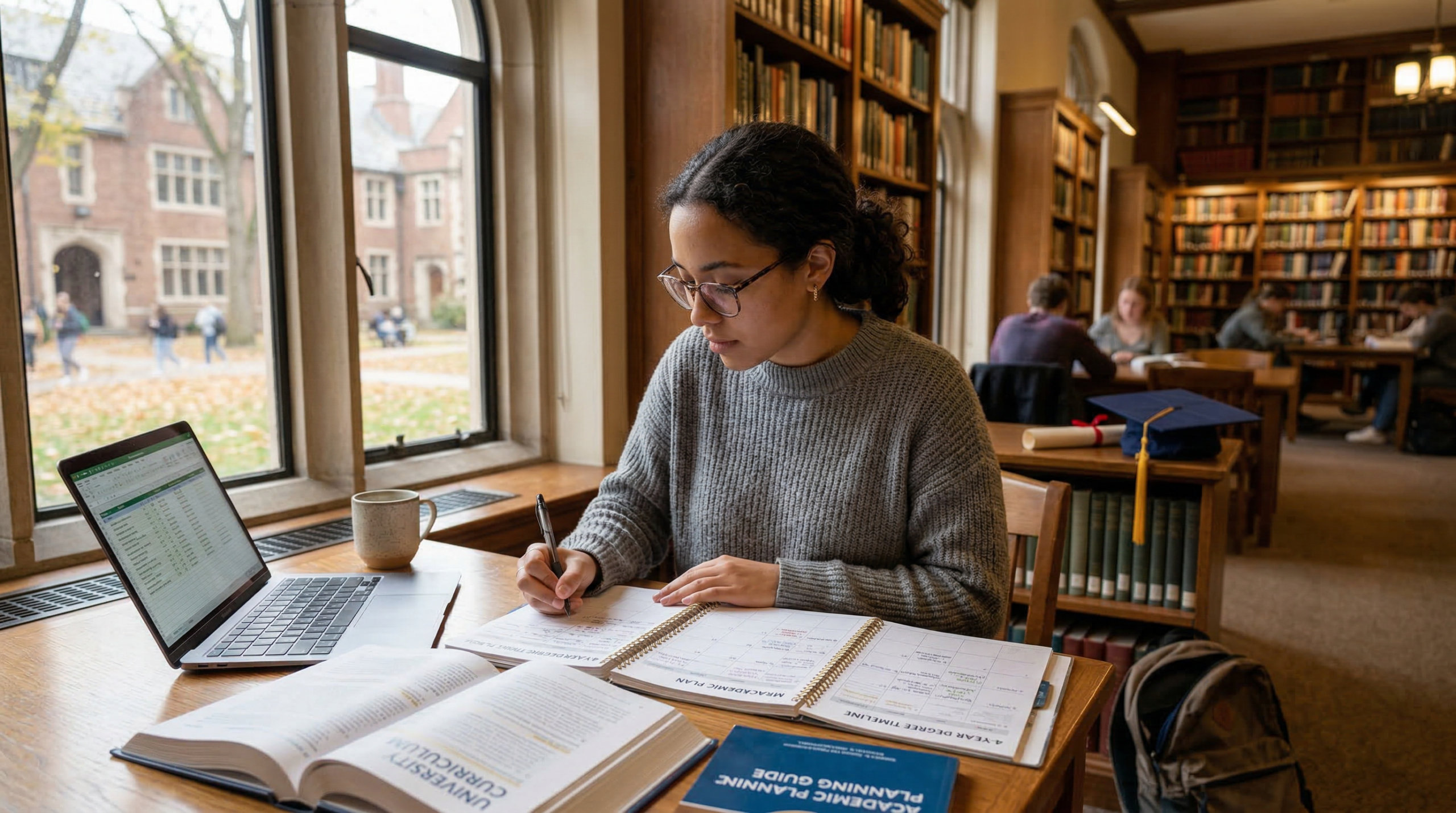
A bachelor’s degree is the foundational undergraduate credential awarded by colleges and universities, typically representing the completion of a structured program of higher education. This guide covers typical timelines, variations by program and country, and planning tips for prospective students, parents, and career changers who want to understand how long it takes to earn a bachelor’s degree and why this matters for academic and career planning. Understanding bachelor’s degree years is crucial for effective planning, managing costs, and making informed decisions about your future career path.
Summary: How Many Years to Earn a Bachelor’s Degree?
A bachelor's degree typically takes four years of full-time study to complete, but many students take up to six years due to factors like part-time attendance, changing majors, or transferring credits.
So, how many years does it usually take to earn a bachelor’s degree?
Introduction to Bachelor’s Degrees
A bachelor’s degree is an undergraduate degree awarded by colleges and universities, typically requiring about four years of full-time study. This degree is designed to provide a broad education, combining in-depth study in a chosen major with general education courses in areas such as math, English, and science. Bachelor’s degree programs are available in a wide range of fields, from computer science and business to liberal arts and social sciences, allowing students to tailor their education to their interests and career goals. For many high school graduates, earning a bachelor’s degree is the next step toward unlocking greater career opportunities and higher earning potential. According to labor statistics, individuals with a bachelor’s degree earn significantly more on average than those with only a high school diploma, making this degree a valuable investment in your future. Whether you’re interested in pursuing a career in technology, education, or the arts, a bachelor’s degree from an accredited college or university can open doors and set you on the path to success.
Typical Bachelor’s Degree Timelines (Including Four-Year Degree)
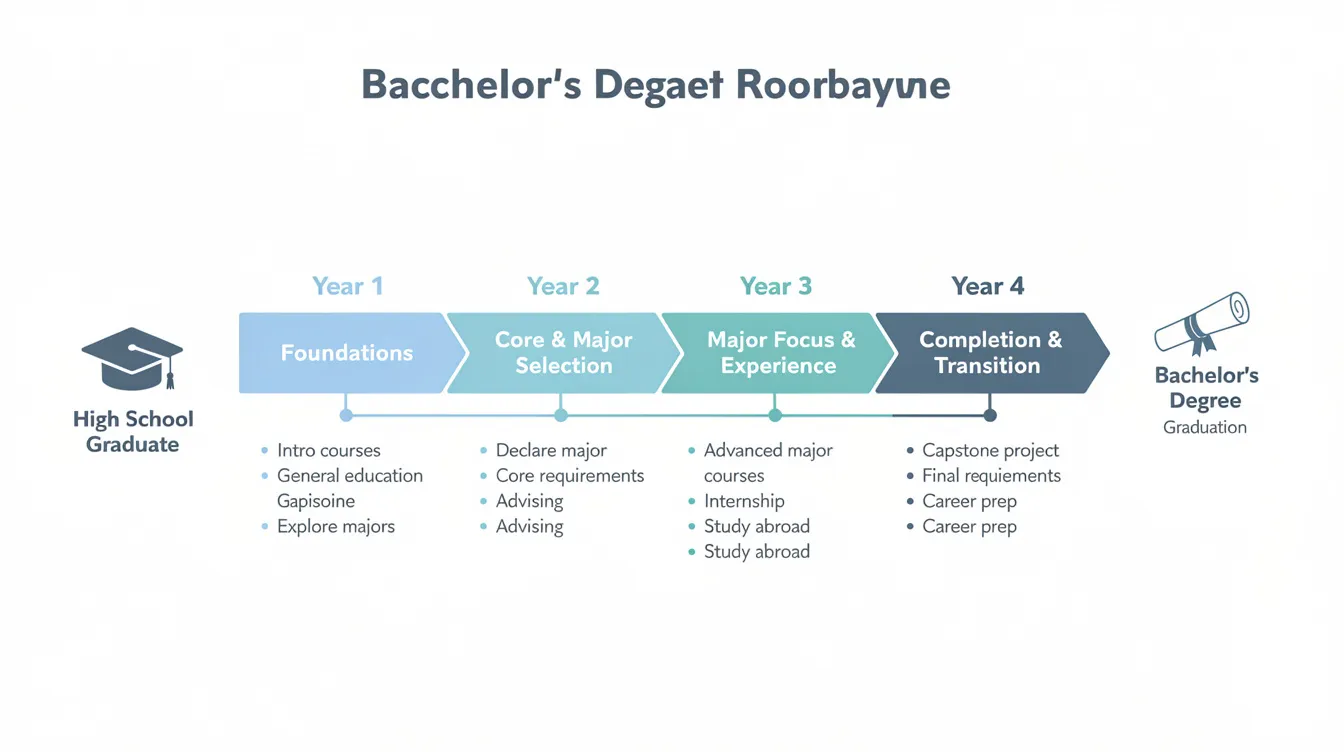
A bachelor’s degree usually requires the completion of 120 credits, which translates to about 40 undergraduate courses. For a full-time college student, this typically means taking between 12-18 credits per semester during the fall and spring semesters. Full-time students who maintain this course load throughout the standard academic calendar can generally complete their bachelor’s degree in four years.
Full-Time vs Part-Time Study
However, not all students follow this path. Part-time students often take a reduced course load—sometimes just one or two courses per semester—to accommodate work, family, or other responsibilities. This flexibility allows part-time students to balance education with other commitments, but it can extend their time to degree completion, sometimes beyond six years. In fact, the average time to complete a bachelor’s degree has increased, with over 50% of students taking up to six years to graduate due to factors such as changing majors, taking part-time classes, or transferring credits.
Summer Courses and Acceleration
Many colleges offer summer courses, and students can accelerate their degree completion by enrolling in one or two courses during the summer in addition to their regular fall and spring semesters. This approach can help students earn additional credits outside the traditional academic year and complete their degree requirements more quickly. In some cases, students can potentially complete a bachelor’s degree in as few as two years by taking a heavier course load and utilizing transfer credits. Accelerated programs can also shorten the time to a degree to as little as 12 to 24 months with summer courses or fast-track schedules.
Attending full-time allows students to finish their degree faster, while attending part-time or changing majors can extend the timeline. Students aged 23 or younger often graduate in 45 months or less, while students aged 30 or older may take up to 162 months to graduate due to balancing work and family obligations.
However, not all students follow the traditional path. Let’s explore alternative options such as accelerated, online, and part-time programs.
Accelerated, Online, and Part-Time Paths

Accelerated Programs
Accelerated bachelor’s degree programs are designed for students who want to complete their degree in less time than traditional programs, often through intensive coursework and condensed schedules. These programs can be ideal for motivated individuals looking to enter the workforce quickly or advance their careers.
Online Programs
Online bachelor’s degree programs offer significant flexibility, allowing students to balance their education with personal and professional responsibilities. This flexibility enables students to fit their learning into busy schedules and, in some cases, may help shorten the time needed to complete their degree.
Part-Time Study
Part-time students often take a reduced course load to accommodate competing responsibilities such as work or family. While this approach provides greater flexibility, it can extend the overall time required to earn a bachelor’s degree.
Additionally, pursuing additional education—such as enrolling in graduate or professional programs after earning a bachelor’s degree—may also impact the overall timeline for completing one’s academic goals.
As you consider these alternative paths, it’s important to understand the key factors that can affect how long it takes to earn your degree.
Key Factors That Affect Degree Completion Time
Several key factors influence how many years it takes to earn a bachelor’s degree:
Course load: Taking a heavier course load each semester or enrolling in summer courses can help students complete their degree faster than the traditional timeline.
Credits transfer: The number of college credits or course credits a student can transfer from previous coursework can significantly reduce the time needed to complete a bachelor’s degree.
Course requirements: Each program has specific course requirements, such as seminars, research projects, theses, or honors coursework, that must be completed to graduate.
Earning credits for experience: Some universities allow students to earn college credit for work experience or professional certifications, which can accelerate degree completion.
Financial constraints: The ability to pay for tuition and related expenses can affect whether a student attends full-time or part-time, impacting the overall duration.
In some cases, students can potentially complete a bachelor’s degree in as few as two years by maximizing transfer credits, taking summer courses, and increasing their course load each semester.
Impact of Changing Majors
Changing majors can extend the time it takes to complete a bachelor’s degree, as each major often has different course and credit requirements. This means that some of the classes you have already taken may not count toward your new major, requiring you to take additional courses to meet the new requirements. Before switching majors, it’s important to consult with academic advisors to fully understand how changing majors will impact your graduation timeline and to plan your coursework accordingly.
Transition to Next Section
Understanding these factors can help you plan your academic journey more effectively. Next, let’s look at the process of changing majors and transferring schools, and how these decisions can impact your degree timeline.
Changing Majors and Transferring Schools
Changing Majors
Changing your major can affect your graduation timeline. Each major has unique course and credit requirements, so switching may mean some previously completed courses no longer count toward your new degree. To minimize delays:
Consult with an academic advisor to review how your completed credits apply to the new major.
Map out a new course plan to meet all requirements.
Consider the impact on your expected graduation date.
Transferring Schools
If you are transferring schools, be sure to review the process for transferring credits. The number of credits a student can transfer from previous coursework can significantly reduce the time needed to complete a bachelor’s degree. Use this checklist:
Request official transcripts from previous institutions.
Check the receiving institution’s credit transfer policies.
Confirm which courses will be accepted toward your new program.
This will help you avoid repeating classes and ensure a smoother transition.
Next, let’s explore how transferring credits and prior learning can further impact your degree completion time.
Credits Transfer and Prior Learning
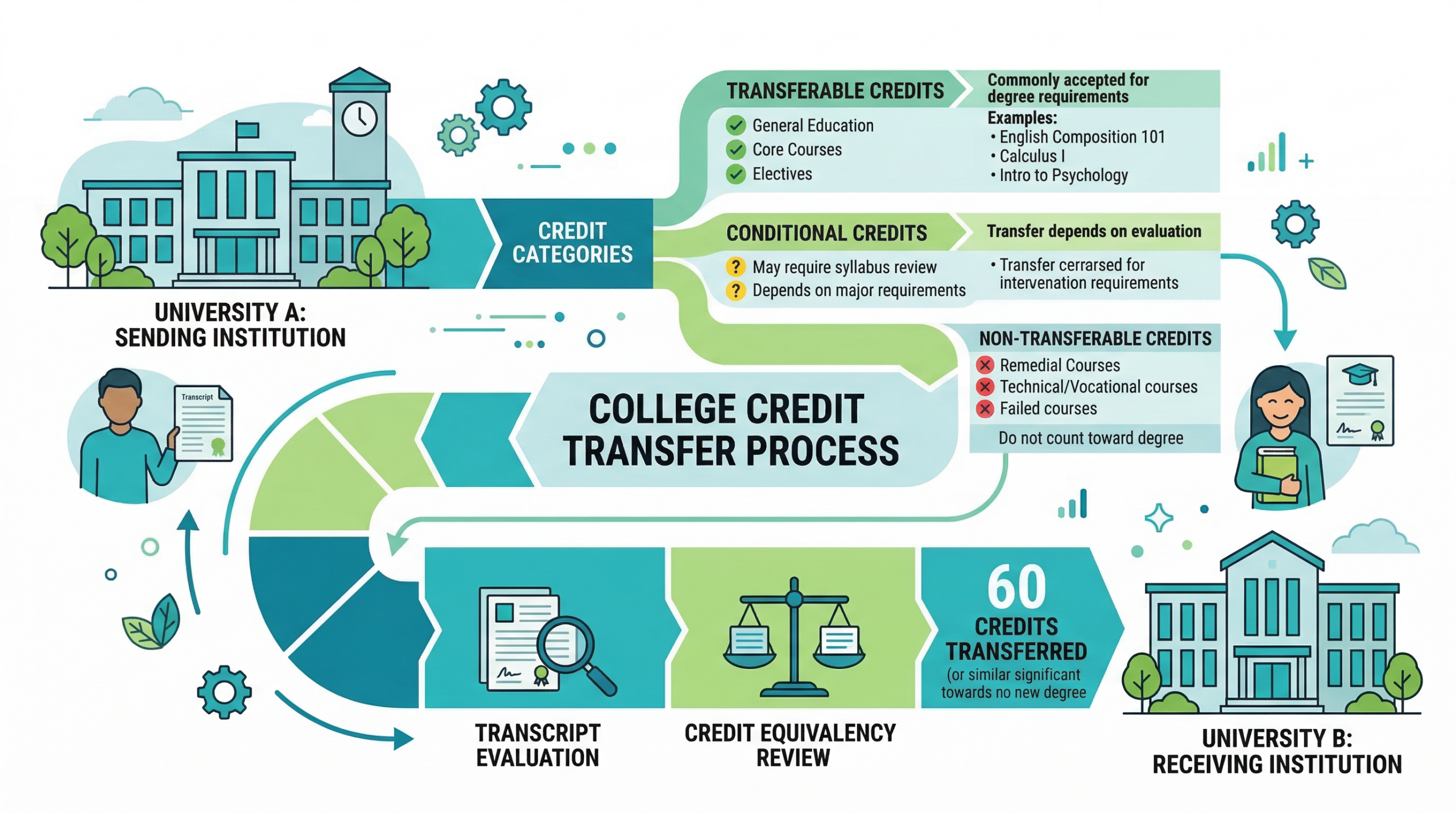
When considering how long it takes to earn a bachelor’s degree, transferring credits from previous coursework can significantly reduce the time needed to graduate. Most universities have credit-transfer policies that allow students to transfer a certain number of course credits or college credits from other accredited institutions. Typically, there are limits on how many course credits can be transferred—often between 60 and 90 credits for a bachelor’s degree program.
To document prior credits, students should:
Request official transcripts from previous colleges or universities.
Submit transcripts during the admissions process.
Check each institution’s policy, as some may only accept college credits that meet specific grade or course requirements.
Additionally, some universities allow students to earn college credit for work experience, professional certifications, or military training. This can further accelerate degree completion by converting relevant experience into course credits. To maximize transfer credit, students should consult with academic advisors early, provide thorough documentation, and inquire about credit-by-exam or portfolio assessment options.
Now that we’ve covered how credits and prior learning can affect your timeline, let’s examine the different types of bachelor’s degree programs and how their requirements may vary.
Degree Programs and Major Types
The duration of bachelor’s degrees varies by country. In the United States, bachelor’s degrees typically take four years, while in the United Kingdom and many European countries, they may take three years. The expected duration of undergraduate study can vary significantly depending on the country’s educational system.
The two most common bachelor’s degrees are the Bachelor of Arts (BA), which provides general knowledge and develops critical thinking and communication skills, and the Bachelor of Science (BS), which focuses on teaching technical skills needed for various careers.
A bachelor’s degree program is an undergraduate academic pathway that typically serves as the foundational step in higher education. Most bachelor’s degrees are the standard undergraduate qualifications across various countries, usually taking three or four years to complete. These programs may be classified as honours or ordinary degrees, depending on the country and institution. Bachelor’s degree courses vary by field and generally include a mix of general education requirements and specialized courses tailored to the student’s chosen area of study.
Common categories of bachelor’s degree programs include Bachelor of Arts (BA), Bachelor of Science (BS), Bachelor of Fine Arts (BFA), and Bachelor of Business Administration (BBA), among others. These programs are designed to prepare graduates for a wide range of job roles, from entry-level positions to more specialized or leadership roles in various industries. In fact, a bachelor’s degree is often considered a prerequisite for many entry-level jobs, with 62% of employers requiring a degree for these positions. Many industries view a bachelor’s degree as sufficient for entry-level employment, providing opportunities for growth and advancement.
Earning a bachelor’s degree can help individuals stand out in a competitive job market and significantly boost their long-term earning potential. Bachelor’s degree holders earn, on average, 41% more per week than workers with an associate degree and 66% more than those with only a high school diploma. Additionally, jobs for bachelor’s degree holders are projected to grow 7.2% by 2033, which is faster than jobs for workers without a college degree.
Bachelor of Arts vs Bachelor of Science
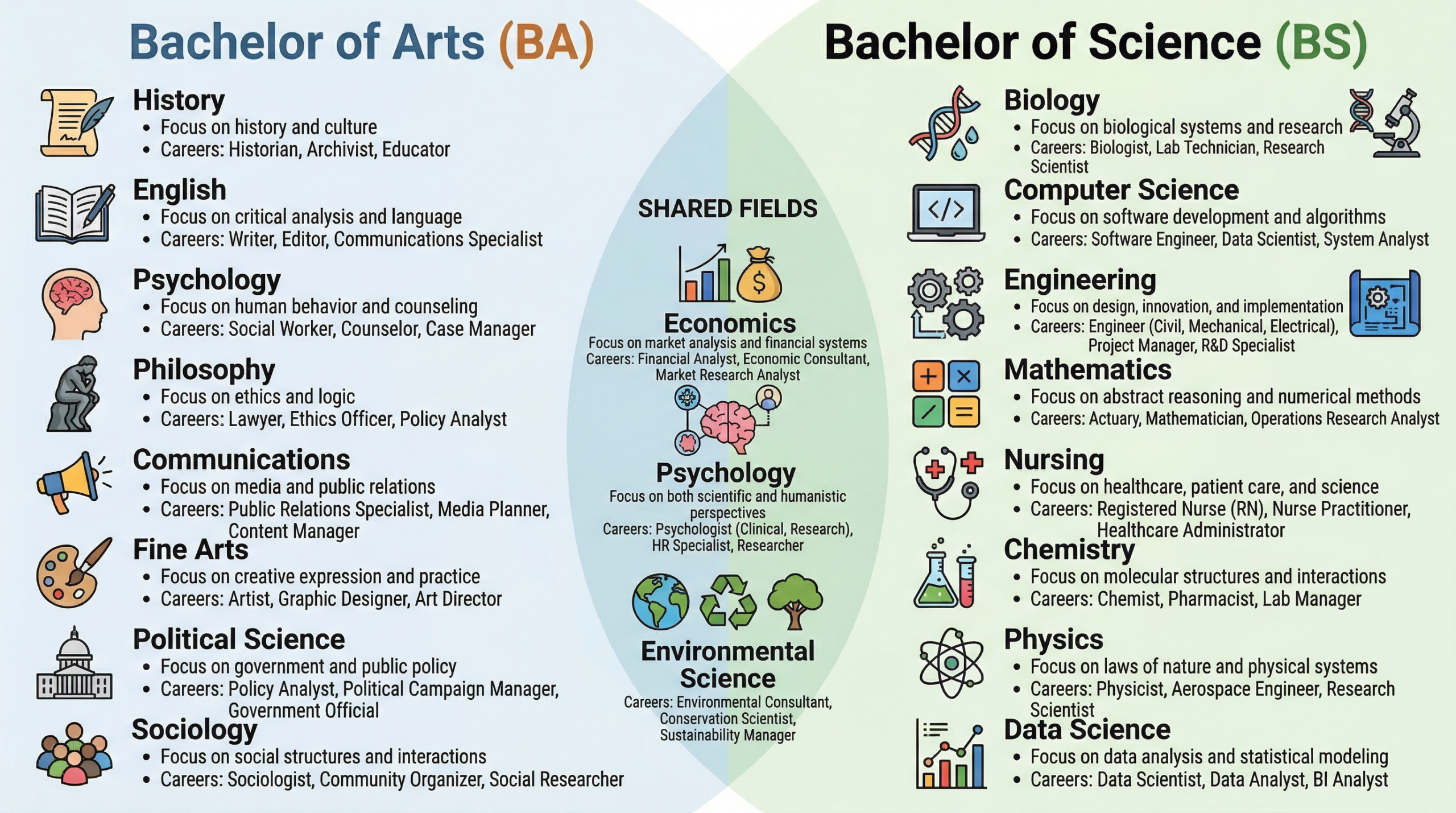
Below is a comparison table summarizing the main differences between BA and BS degrees:
Feature | Bachelor of Arts (BA) | Bachelor of Science (BS) |
|---|---|---|
Focus | General knowledge, critical thinking, communication skills | Technical skills, scientific and quantitative training |
Common Fields | Humanities, social sciences, fine arts, languages | Computer science, engineering, biology, business |
Career Preparation | Analytical, interpersonal, and creative roles | Research, technology, healthcare, STEM-related industries |
Typical Coursework | Liberal arts, broad electives, major-specific classes | Technical, scientific, math-focused courses |
Example Careers | Teacher, writer, public relations specialist | Software engineer, biologist, business analyst |
Both degree types require completing general education courses alongside major-specific classes, typically totaling around 120 credits or about 40 courses. The choice between a BA and a BS depends largely on your academic interests and career goals, with each offering distinct pathways to find careers aligned with your skills and aspirations. |
Bachelor of Science — STEM Focus and Computer Science
A Bachelor of Science (BS) degree typically emphasizes technical, scientific, or mathematical fields. Computer Science is a common example of a BS major, with course sequences often including foundational programming, data structures, algorithms, and advanced electives. Many programs also require internships or co-op experiences, usually completed in the junior or senior year, as well as a capstone project in the final year.
In addition to bachelor’s degrees, specialized associate degrees like the Associate of Applied Science (A.A.S.) focus on practical vocational training and prepare students with technical skills for direct entry into the workforce. These programs are distinct from more theoretical academic tracks.
It’s important to note that intensive majors such as Engineering, Architecture, and Nursing often require more than 120 credits and may take five years to complete, due to rigorous coursework and additional requirements like clinicals or design studios.
Bachelor of Arts and Fine Arts Programs
Bachelor of Arts (BA) programs typically include a broad range of liberal arts courses designed to develop critical thinking, communication skills, and a well-rounded education. Within fine arts programs, students engage in studio-based coursework that requires hands-on practice in disciplines such as painting, sculpture, photography, or graphic design. These studio courses often carry significant credit hours, contributing to the total credits needed to complete the bachelor’s degree.
Fine arts students should carefully plan their studio course schedule to balance practical work with general education requirements. Many programs require students to build a portfolio showcasing their best work, which is often presented during senior exhibitions or portfolio reviews. Timing these projects strategically can help students meet graduation deadlines without unnecessary delays.
Because studio courses can be time- and resource-intensive, they may extend the typical bachelor’s degree years if not planned properly. Students are encouraged to consult academic advisors early to map out course sequences, ensuring that studio credits and portfolio requirements are completed efficiently within the standard four-year timeline.
Now that you understand the different types of bachelor’s degree programs, let’s discuss how to plan your course load and academic path for timely graduation.
How To Earn Your Bachelor’s Degree: Planning and Course Load
To earn your bachelor’s degree, most students follow a semester-by-semester plan that typically spans four years, assuming a standard full-time course load of 15 credits per term. However, you can get a bachelor’s degree faster by taking summer courses or increasing your course load each semester, provided you can manage the additional workload responsibly.
Meeting with an academic advisor early is crucial. An advisor can help you plan your course schedule and ensure your studies align with your desired career, making it easier to stay on track and graduate on time. Careful planning also helps you avoid unnecessary courses and delays.
For example, completing 30 credits per academic year (15 per semester) leads to graduation in four years. If you take extra credits or enroll in summer sessions, you may finish in three years or less. These strategies allow you to earn your bachelor’s degree efficiently while preparing for your next steps.
A bachelor’s degree provides a solid foundation for either entering the workforce or pursuing postgraduate studies, supporting your long-term professional and educational goals.
Next, let’s look at special programs that can change the typical timeline for earning your degree.
Special Programs That Change Timeline
Some students choose alternative pathways to shorten or extend the time it takes to earn a bachelor’s degree. For example, accelerated bachelor’s degree programs allow students to complete their degree in less time than traditional programs, often through intensive coursework or year-round study.
Dual-degree and combined bachelor’s-master’s options are also available at many institutions. These programs enable students to earn both a bachelor’s and a master’s degree in a reduced timeframe, sometimes in as little as five years. By enrolling in a combined bachelor’s-master’s degree program, students can begin taking graduate-level courses while still completing their undergraduate requirements, streamlining the path to higher degrees and postgraduate study. Master’s programs offer advanced knowledge and specialization, helping graduates pursue career advancement or transition to professional credentials.
Additionally, students who start with an associate degree—typically completed in two years at community or technical colleges—can often transfer credits to four year colleges to continue their education and pursue a bachelor’s degree, including popular destinations such as fake diplomas and transcripts from New York for novelty display. This pathway provides flexibility and can be a cost-effective route to a four-year degree.
For those interested in professional fields, law school is a common next step after earning a bachelor’s degree. Law school (Juris Doctor or J.D.) is a professional graduate degree that requires an undergraduate degree for admission and is necessary for legal practice in the U.S.
Overall, a bachelor’s degree provides a solid foundation for postgraduate study, including master’s and doctoral programs, as well as entry into professional schools like law school. These flexible options allow students to tailor their educational journey to fit their career goals and timelines.
Now that we’ve covered special programs, let’s discuss how to plan financially for your degree and how different degrees and majors we offer can influence both cost and timeline.
Financial Aid and Planning
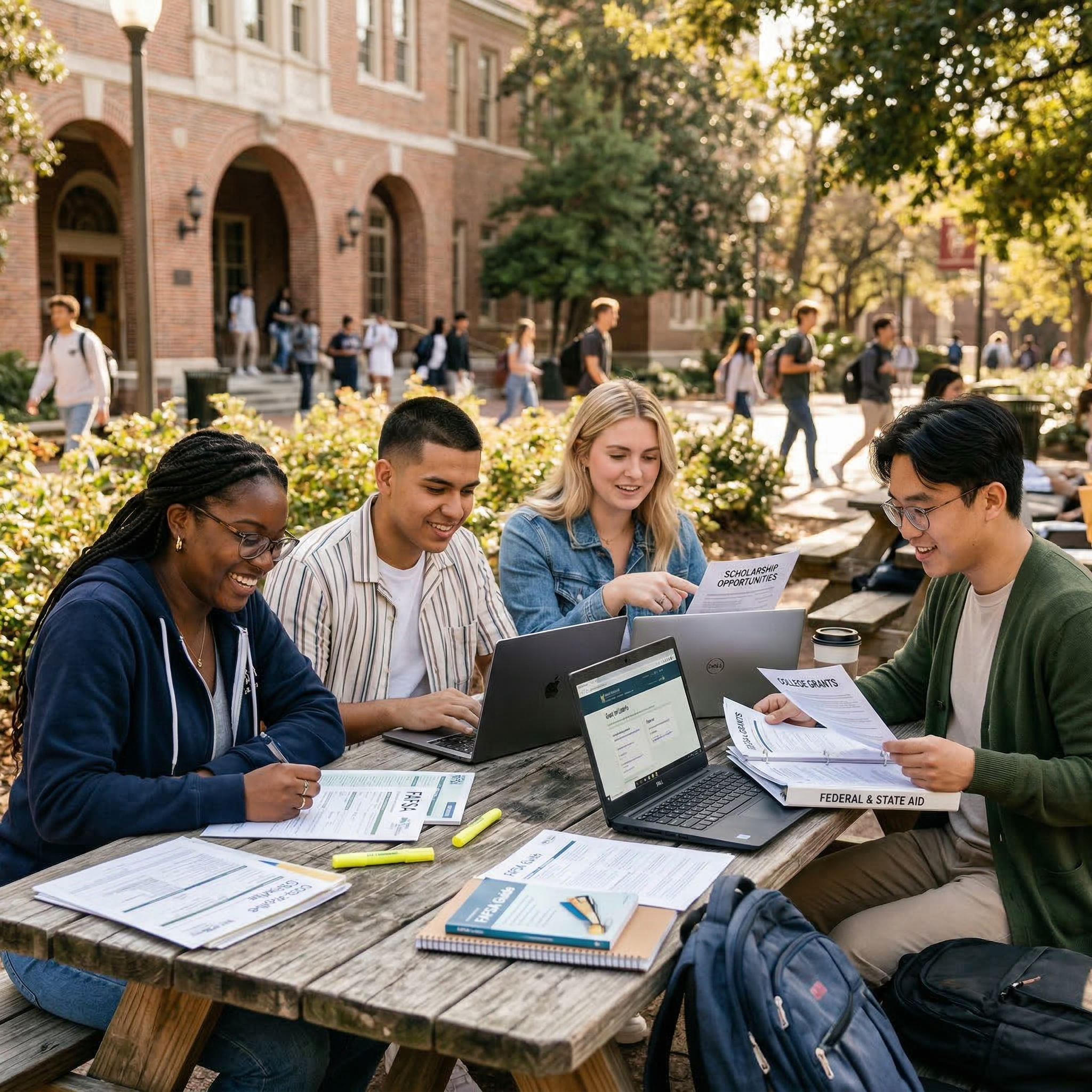
The cost of earning a bachelor’s degree can be a major consideration, but there are many ways to make higher education more affordable. Financial aid options such as scholarships, grants, and federal student loans are available to help students cover tuition, fees, and living expenses. Many students choose to start their academic journey at a community college, where they can earn college credit at a lower cost before transferring to a four-year institution. Online courses are another flexible and often more affordable way to complete degree requirements. Colleges and universities frequently offer comprehensive financial aid packages that may include grants, loans, and work-study opportunities. Careful financial planning is essential—students should create a budget that accounts for all expenses, including textbooks, transportation, and housing. Exploring accelerated degree programs can also help students earn their degree faster, potentially reducing overall costs. By taking advantage of these resources and planning ahead, students can pursue their degree programs with confidence and minimize student debt.
With your financial plan in place, you can focus on the career opportunities and advancement that a bachelor’s degree can provide.
Career Opportunities and Advancement
Earning a bachelor’s degree opens the door to a wide range of career opportunities and advancement options. Many careers require a bachelor’s degree as a minimum qualification, especially in fields like business administration, computer science, engineering, and healthcare. Having a college degree not only increases your chances of employment but also positions you for higher salaries and greater job security. For example, graduates with a bachelor’s degree in computer science can pursue roles such as software engineer, data analyst, or IT project manager, while those with a degree in business administration might become management consultants, financial analysts, or marketing managers. A bachelor’s degree also serves as a stepping stone for further education, such as a master’s degree or even a doctoral degree, for those interested in advanced research or specialized professional roles. According to national education statistics, individuals with a bachelor’s degree consistently report higher median earnings and better employment rates than those without a degree, making it a smart choice for anyone looking to advance their career and achieve long-term professional goals.
If you are considering further education, the next section will outline postgraduate paths available after earning your bachelor’s degree.
Postgraduate Paths: Master’s and Doctoral Degrees
After earning a bachelor’s degree, many individuals consider advancing their education through postgraduate study. The most common next step is enrolling in a master’s degree program, which typically takes one to two years to complete. A master’s degree offers advanced knowledge and specialized skills in a particular field, helping graduates enhance their career prospects, increase earning potential, or transition into new professional areas.
For those seeking even higher degrees, doctoral programs are available after completing a master’s degree or, in some cases, directly after a bachelor’s degree. Doctoral degrees, such as a PhD, involve several additional years of research and study, and are considered the highest level of academic achievement.
It’s important to note that a bachelor’s degree provides a solid foundation for either entering the workforce or pursuing postgraduate studies. Whether you choose to start your career or continue with postgraduate study, such as a master’s degree or other higher degrees, your bachelor’s degree serves as a key stepping stone for future opportunities. Keep in mind that pursuing a master’s degree program or other postgraduate paths will extend your overall academic timeline, but can offer significant long-term benefits in terms of expertise and professional advancement.
Now, let’s see how PhonyDiploma.com can help you celebrate your academic achievements with custom replica diplomas.
PhonyDiploma.com Context: Replica Diplomas and Legal Notes
PhonyDiploma.com offers a unique range of custom replica diplomas, degrees, transcripts, and certificates designed primarily for gifts, decor, entertainment, and nostalgic keepsakes, along with other documents and accessories to complete your presentation. These novelty diplomas make perfect gifts for graduations, reunions, or as fun additions to home or office spaces, celebrating achievements in a lighthearted way.
Each replica document features high-quality design elements such as raised seals, embossed lettering, and realistic paper stock that closely mimics official academic credentials, similar to the variety showcased in our thousands of diploma, transcript, degree and certificate samples and free online samples for custom diplomas. These details create an authentic look and feel, making them ideal for display purposes.
It is important to note that all products from PhonyDiploma.com are novelty items and are not official academic records. They are intended solely for decorative and entertainment use and must never be used to impersonate or misrepresent educational qualifications, as emphasized in our detailed article on fake diplomas and transcripts and our guide on buying a fake diploma quickly and safely. Using these replicas for fraudulent purposes is illegal and strictly prohibited.
Customers can easily customize their orders by selecting the type of diploma, degree level, institution name, graduate name, and graduation date, choosing from all fake diploma samples in USA and specialized gold foil state seals and emblems to match their needs. The ordering process is straightforward, with options to add personalized touches to make each replica diploma uniquely meaningful.
To help you make informed choices, the next section provides additional resources and calls to action.
Content Extras and Calls To Action
To assist customers, PhonyDiploma.com provides a comprehensive FAQ section and a detailed catalog where you can buy fake diplomas, transcripts, and certificates, addressing common questions about diploma replicas, including queries about “how many years” typical degrees take, the difference between degree types, and the legal disclaimers associated with novelty documents.
A helpful comparison table is available to illustrate typical timelines for earning various degrees alongside the corresponding credit loads, helping customers understand the context behind the diplomas they order and choose from our range where you can buy realistic fake certificates online.
Ready to celebrate in style? Visit PhonyDiploma.com to browse our extensive catalog of custom replica diplomas and certificates. Remember, these are novelty items for decorative use only. Order your personalized diploma package today and add a touch of fun and nostalgia to your space or gift-giving!
Conclusion
In conclusion, earning a bachelor’s degree is a significant step toward building a successful future. This undergraduate degree provides a broad education, equipping students with critical thinking skills and specialized knowledge in their chosen field. By carefully considering factors such as course load, transferring credits, and career path, students can make informed decisions that align with their professional goals. Financial aid, online courses, and accelerated programs offer flexible options to help students manage costs and complete their degree efficiently. Whether you’re planning to enter the workforce, pursue a graduate degree, or simply expand your knowledge, a bachelor’s degree from an accredited institution can open up a world of career opportunities. As you navigate your academic journey, take advantage of resources like academic advisors and career counseling to stay on track and achieve your goals. Ultimately, earning a bachelor’s degree is not just about gaining a credential—it’s about investing in yourself and your future success.

Ready to add a touch of fun and nostalgia to your space or gift a unique keepsake?
Visit PhonyDiploma.com today to explore our wide selection of custom replica diplomas, degrees, transcripts, and certificates. Each product features secure design elements like raised seals and realistic paper to ensure a high-quality, authentic look perfect for display, gifts, or entertainment. Remember, all our novelty documents are for decorative use only and are not valid academic credentials. Browse our catalog now and order your personalized diploma package with ease—celebrate your achievements in style with PhonyDiploma.com!